

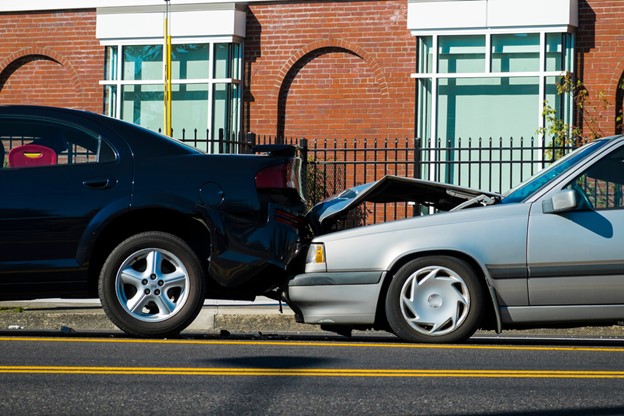
Using Uber and Lyft to travel makes life easier, but getting in a crash means passengers, drivers, and pedestrians can all face serious problems just like any other crash. All are at risk of severe burns, spinal cord damage, or traumatic brain injury.
Vagabondish is reader-supported. When you buy through links on our site, we may earn a small affiliate commission. Read our disclosure.
A peer-reviewed study found that the arrival of ridehailing in U.S. cities was linked to a roughly 3% rise in fatal crashes, including crashes that killed pedestrians. And pursuing compensation often means dealing with more layers of insurance than the average two-car crash.
Why Rideshare Crashes Can Cause Serious Injuries
Rideshare drivers spend long hours on the road, often late at night and in unfamiliar areas. These conditions can raise crash risk.
These factors do not make rideshare accidents necessarily different in terms of severity from a regular car accident, but the resulting injuries can be grave and may take a long time to heal.
Burns can occur when a crash causes a vehicle fire or a battery or fuel system failure. And these types of injuries often require extended treatment. Severe cases may even need multiple surgeries where recovery can take months or years.
According to Baton Rouge burn injury lawyer Andre P. Gauthier and their website overview, you may likely face many questions regarding how to pay your medical bills after treatment and how to hold the responsible party accountable. This is where you will need the help of a burn injury attorney who can answer your questions pertaining to your burn injury claim.
The Insurance Layers Make These Cases Genuinely Different
What sets a rideshare crash apart from an ordinary accident isn’t the injury itself, but the number of insurance policies that can potentially apply. Whether a rideshare company’s commercial coverage applies at all often depends on the driver’s status at the moment of the crash.
A rideshare driver may either be waiting for a ride request or be on the way to pick up a passenger. They can also be actively transporting a rideshare user. When the app is off, the driver is treated like any other motorist, and typically only their personal auto policy applies. Each of these different phases can trigger a different tier of coverage. Sorting out which policy, or policies, actually apply is often the first real challenge in a serious rideshare injury case, well before the question of how much the injury is worth even comes up.
Why “How Much Is My Case Worth” Doesn’t Have a Simple Answer
It’s natural to search to know the average personal injury settlement after getting a serious injury from a car accident. But there isn’t a meaningful average.
Settlement values depend on the severity of the injury, the strength of the liability evidence, and the specific damages, such as medical bills, lost income, and pain and suffering.
Settlements for severe injuries can reach six figures, and catastrophic cases can reach seven. Neither figure tells an individual claimant much about their own case without a lawyer actually reviewing the specific facts.
How Comparative Fault Can Affect a Rideshare Injury Claim
In serious injury cases, a plaintiff’s damages can be reduced or barred if they share fault for the crash. A 2025 law changed Louisiana from pure to modified comparative fault. It took effect January 1, 2026, and applies to accidents on or after that date. Under this system, an injured person can recover damages if they are 50% or less at fault.
Someone found 51% or more at fault for their own rideshare accident would now be barred from recovering compensation entirely. This is a major change from Louisiana’s prior rule, where even a plaintiff found mostly at fault could still recover part of their damages.
Why Severe Injury Cases Benefit From Early Legal Involvement
Serious injuries, and burns in particular, involve ongoing medical costs that aren’t always clear at the outset. These injuries may involve skin grafts, long-term scarring treatment, and physical therapy. In some cases, the injuries result in permanent disfigurement that affects a person’s ability to work.
Building a claim that accounts for those future costs, rather than just the bills that have already accrued, is difficult to do without legal guidance. It becomes even more complicated when a rideshare company’s insurance coverage layers on top of the driver’s own policy.
Burn cases and rideshare-related insurance disputes both require the kind of early, detailed investigation that shapes the value of a claim long before any settlement number comes into view.
A serious injury from a rideshare accident isn’t fundamentally different from a serious injury sustained any other way, but the insurance landscape around it is more layered. Comparative fault rules that determine how much of a settlement an injured person actually keeps vary by state and can change, as Louisiana’s did at the start of 2026.
Anyone facing a severe injury from a rideshare crash is better served understanding their own state’s current fault rules and getting an individualized case evaluation than relying on a generic average that was never going to reflect their specific situation anyway.