

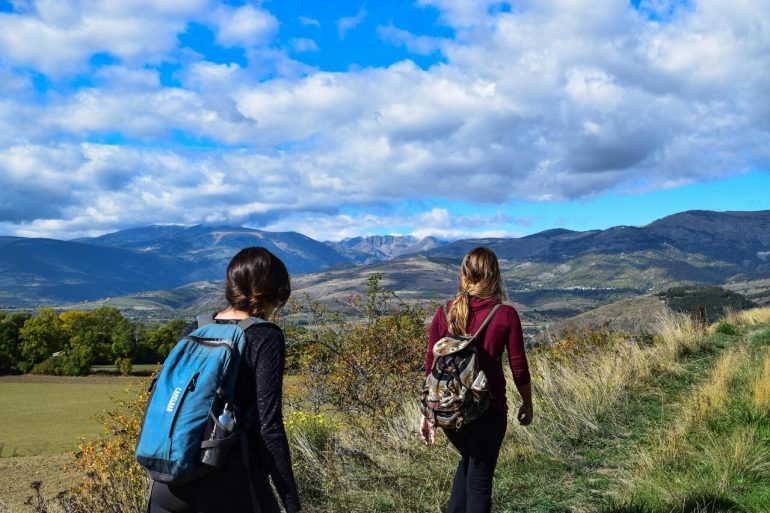
Solo trekking on sacred mountain routes appeals to travellers who value independence, focus, and direct contact with place. In the Andes, ancient trails continue to serve as cultural corridors rather than simple hiking paths. These routes demand preparation, awareness, and respect. For solo trekkers, understanding this context shapes both safety and meaning.
Vagabondish is reader-supported. When you buy through links on our site, we may earn a small affiliate commission. Read our disclosure.
Why Sacred Mountain Trails Attract Solo Trekkers
Sacred trails differ from standard trekking routes. They carry historical, spiritual, and social significance that still influences how people move through them. In the Andes, paths link villages, ceremonial sites, and agricultural landscapes shaped over centuries. Walking alone through these areas heightens awareness of rhythm, terrain, and local presence.
Many solo trekkers seek these routes for the reduced noise and slower pace. Early starts, shoulder seasons, and less-used approaches offer quieter conditions, even near well-known destinations. Solitude on sacred trails does not mean isolation. It creates space for attention and responsibility.
Planning Access to Sacred Trails in the Andes
Access rules for sacred mountain routes change regularly. Permit limits, seasonal closures, and conservation measures apply across the region. Near Machu Picchu, controlled entry protects both archaeological sites and surrounding ecosystems. Travellers who prefer structured support often choose Machu Picchu vacation packages to manage permits, transport, and timing while maintaining solo walking time on the trail.
Independent planning requires close monitoring of official updates. Local regulations, weather alerts, and trail conditions can shift with little notice. Solo trekkers benefit from confirming details shortly before departure and maintaining flexibility in itineraries.
Physical Preparation for Solo Mountain Treks
Sacred mountain trails demand steady endurance rather than speed. Multi-day routes involve elevation gain, uneven surfaces, and variable weather. Regular training hikes build strength and confidence. Gradual increases in distance, elevation, and pack weight reduce strain once on the trail.
Equipment choices matter more when walking alone. Reliable footwear, layered clothing, and waterproof outer shells protect against sudden changes. Lightweight gear supports mobility while limiting fatigue. Preparation reduces dependence on external assistance in remote areas.
Managing Altitude on Sacred Routes
Altitude remains one of the primary challenges in the Andes. Routes often exceed 3,000 metres, with some passes rising higher. Gradual acclimatisation supports safe adjustment. Spending time at moderate elevations before ascent allows the body to adapt.
Hydration supports acclimatisation in dry mountain air. Reduced oxygen and low humidity increase fluid loss. Consistent water intake and controlled pacing help maintain balance, reducing altitude sickness risk on extended routes.
Navigation and Orientation When Walking Alone
Navigation on sacred trails combines marked routes and natural indicators. Some sections follow established stone paths. Others rely on cairns, worn ground, or landscape alignment. Carrying physical maps provides security when digital devices fail due to terrain or battery limits.
Basic compass skills increase confidence during fog, rain, or route changes. Solar chargers or backup power extend device use but do not replace situational awareness in wilderness environments, where attention to terrain, weather, and movement patterns supports safer navigation.
Safety Planning for Independent Travel
Clear communication plans support solo travel. Sharing itineraries with hosts, local contacts, or trusted contacts creates accountability. Setting check-in times improves response speed if plans change unexpectedly.
Offline access to emergency contacts and local medical facilities remains essential. Printed maps with exit routes allow rapid decision-making during weather shifts or trail closures. Preparation supports calm responses under pressure.
Cultural Conduct on Sacred Mountain Trails
Sacred sites remain active spaces. Shrines, offerings, and marked areas signal cultural boundaries on sacred sites, where movement reflects relationship with the land rather than entitlement.
Photography restrictions apply at many ceremonial locations. Signs or local advice indicate when permission is required. Asking before acting builds trust and avoids conflict. Cultural awareness protects access for future travellers.
Balancing Solitude and Responsibility
Sacred mountains attract both visitors and worshippers. Seasonal limits protect ceremonies and ecosystems. Travelling outside peak periods reduces pressure on communities and landscapes, reinforcing the need for responsible travel and cultural respect where access, tradition, and conservation remain aligned.
Solo trekking does not remove responsibility. Every decision affects fragile environments shaped by climate and human care. Responsible choices preserve access while respecting tradition.
Choosing Routes That Support Solo Travel
Different sacred trails suit different experience levels. The Inca Trail follows Inca Trail permit regulations with established camps and clear logistics. Early permit planning remains essential. Alternative routes such as the Salkantay Trek offer greater autonomy with fewer restrictions while still connecting to the Machu Picchu region.
Other sacred mountain paths around the world follow similar principles but differ in terrain and infrastructure. Solo trekkers benefit from matching route choice to skill level, climate, and cultural expectations.
Solo trekking on sacred mountain trails is not about isolation, but about attention and responsibility. These routes require preparation, respect for cultural boundaries, and awareness of environmental limits. When travellers move with care, each decision supports both personal safety and living traditions. Choosing routes, timing, and conduct thoughtfully turns solo travel into meaningful participation. Sacred landscapes remain open when they are approached with restraint, respect, and intention.