


Australia is known for its unique wildlife and stunning landscapes, and there’s no better way to experience both than by taking a road trip.
Vagabondish is reader-supported. When you buy through links on our site, we may earn a small affiliate commission. Read our disclosure.
For nature enthusiasts, or travellers simply looking for a fun and adventurous holiday, there are plenty of stops along the way that offer the chance to spot some of Australia’s most iconic animals in their natural habitat. From kangaroos and wallabies to koalas and wombats, there’s no shortage of amazing wildlife encounters to be had on a road trip through Australia.
A campervan rental is a fantastic way to travel around Australia, providing you with freedom to explore at your own pace while also enjoying comforts of home on the road. With a campervan hire, you can easily access many of the best wildlife watching spots in the country, including those that may be off the beaten track. Plus, you can save money on accommodation by camping in national parks and other designated camping areas, and even park at night for free in some towns and cities. If you’re looking to get up close and personal with Australia’s unique wildlife, a road trip in a campervan is the way to go.
Here are some of the best road trip stops in Australia for spotting wildlife, from national parks to coastal reserves and everything in between. They are broken up by state and territory for you convenience.
New South Wales
Kosciuszko National Park
Located in the Snowy Mountains of New South Wales, Kosciuszko National Park is a popular destination for hiking, camping, and wildlife watching. The park is home to several species of kangaroo and wallaby, as well as wombats, echidnas, and many bird species. The park is also home to the highest peak in Australia, Mount Kosciuszko.
Mungo National Par
Located in the far southwest corner of New South Wales, Mungo National Park is a remote and rugged park that is home to a variety of unique wildlife. The park is home to several species of kangaroo and wallaby, as well as emus, echidnas, and many bird species. The park is also home to the famous Walls of China, a series of sand dunes that have been eroded into unique formations.
Jervis Bay Marine Park
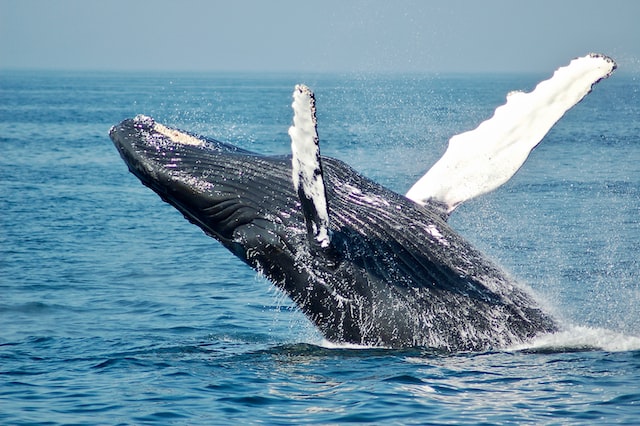
Located on the South Coast, Jervis Bay Marine Park is a popular destination for whale watching, dolphin spotting and bird watching. Humpback and southern right whales pass through these waters during their annual migration from May to November, and bottlenose dolphins can be spotted all year round. You can also go on a birdwatching tour to spot a range of seabirds, including albatrosses, shearwaters, and petrels.
Queensland
Girringun National Park
Girringun National Park is located in North Queensland and is a popular destination for wildlife watching, particularly for bird enthusiasts. The park is home to over 400 bird species, including the rare and endangered southern cassowary. Visitors can take a guided birdwatching tour, or explore the park’s many hiking trails to spot these beautiful creatures. The park is also home to a variety of other wildlife, including wallabies, possums, and tree kangaroos.
Tamborine Mountain
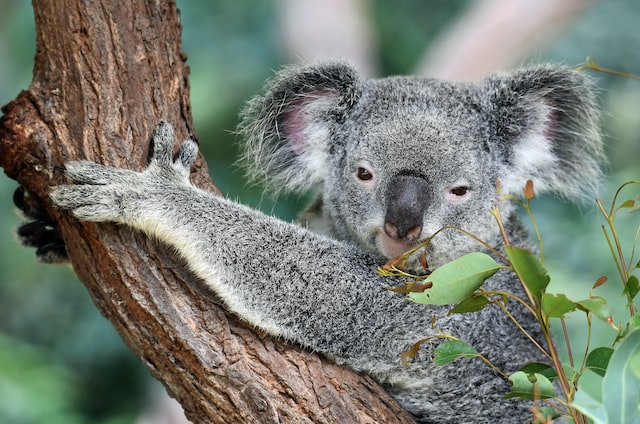
Tamborine Mountain is a popular destination for wildlife enthusiasts, located just an hour’s drive from Brisbane. The mountain is home to a wide variety of animals, including wallabies, koalas, and a variety of bird species. You can take a guided walk through the rainforest to spot these animals in their natural habitat, or visit the Tamborine Rainforest Skywalk for a unique perspective from the treetops. The mountain also offers many other outdoor activities, such as hiking, rock climbing, and zip-lining.
North Stradbroke Island
Located just off the coast of Brisbane, North Stradbroke Island is a popular destination for wildlife enthusiasts. The island has a vehicle ferry that operates daily, so you can bring your car or campervan hire with you. Stradbroke is home to a variety of animals, including koalas, kangaroos, wallabies, and echidnas. The island is also a prime location for whale watching during the migration season (June to November), where visitors can see humpback whales and dolphins from various lookout points.
Northern Territory
Alice Springs Desert Park
Alice Springs Desert Park is located just outside of Alice Springs in the heart of the Red Centre. The park is designed to showcase the unique desert wildlife and ecosystems of Central Australia. It covers an area of over 1,300 hectares and is home to over 400 plants and 120 animal species.
One of the best ways to experience the wildlife in Alice Springs Desert Park is by taking a guided tour or walking along the park’s many walking trails. You can spot kangaroos, wallabies, and other desert animals in their natural habitat, and there are also many bird species to be seen throughout the park. The park also offers daily shows and presentations on desert wildlife, culture, and conservation.
Kakadu National Park
Kakadu National Park is one of the most popular destinations for wildlife watching in Northern Territory. The park is located about three hours east of Darwin and covers an area of over 20,000 square kilometers. It is home to a wide variety of animals, including saltwater crocodiles, wallabies, dingoes, and over 280 bird species.
One of the best ways to experience the wildlife in Kakadu is by taking a guided tour or a boat cruise along the park’s waterways. You can spot crocodiles, water birds, and other wildlife along the banks of the rivers and billabongs.
Mary River Wetlands
Located about an hour east of Darwin, the Mary River Wetlands is a vast wetland system that covers over 12,000 square kilometers. The wetlands are home to a wide variety of animals, including saltwater crocodiles, wallabies, dingoes, and over 250 bird species.
There are also many walking trails throughout the wetlands where you can spot wallabies, kangaroos, and other animals in their natural habitat.
Western Australia
Cape Range National Park
Cape Range National Park is located on the Coral Coast of Western Australia and is home to a variety of wildlife, including kangaroos, emus, and many bird species. The park is also home to the Ningaloo Reef Marine Park, where you can spot marine life like turtles, rays, and reef sharks.
One of the best ways to experience the wildlife at Cape Range National Park is by camping in the park and hiking along its many trails. You can also go snorkeling or diving at the Ningaloo Reef, where you can see colorful fish, coral, and other marine creatures.
Rottnest Island
Rottnest Island is a small island located off the coast of Perth. The island is home to a unique species of marsupial called the quokka, as well as a wide variety of bird species and marine life.
One of the best ways to experience the wildlife on Rottnest Island is by cycling or hiking around the island. You can spot quokkas and other wildlife, as well as enjoy the island’s stunning beaches and crystal-clear waters.
Shark Bay
Shark Bay is located on the west coast of Western Australia and is a UNESCO World Heritage site. The bay is home to a variety of marine life, including dolphins, dugongs, and the famous stromatolites, which are the oldest living organisms on Earth.
One of the best ways to experience the wildlife in Shark Bay is by taking a dolphin watching tour or by visiting the Monkey Mia Dolphin Resort. You can also go snorkeling or diving in the bay, where you can see marine life like rays, turtles, and sharks.
South Australia
Kangaroo Island
Kangaroo Island is a wildlife haven located just off the coast of South Australia. The island is home to a variety of unique wildlife, including kangaroos, wallabies, koalas, echidnas, and many bird species. The island is also home to a seal colony and a variety of marine life, including dolphins and whales.
One of the best ways to experience the wildlife on Kangaroo Island is by taking a wildlife tour. You can also visit the Kangaroo Island Wildlife Park, where you can see many of the island’s native animals up close.
Flinders Ranges National Park
Flinders Ranges National Park is located in the northern part of South Australia and is home to a variety of wildlife, including kangaroos, wallabies, emus, and many bird species. The park is also home to the rare yellow-footed rock-wallaby.
One of the best ways to experience the wildlife in Flinders Ranges National Park is by hiking along its many trails. You can also take a wildlife tour or visit the Wilpena Pound Visitor Centre, where you can learn more about the park’s native animals.
Coorong National Park
Coorong National Park is located on the south coast of South Australia and is home to a variety of wildlife, including birds, seals, and dolphins. The park is also home to the endangered orange-bellied parrot.
One of the best ways to experience the wildlife in Coorong National Park is by taking a bird watching tour. You can also go seal watching or take a dolphin watching tour. Additionally, you can visit the Coorong Discovery Centre, where you can learn more about the park’s unique wildlife and ecosystems.

Tasmania
Freycinet National Park
Located on the east coast of Tasmania, Freycinet National Park is a popular destination for wildlife lovers. The park is home to a variety of animals, including wallabies, echidnas, wombats, and many bird species.
One of the best ways to experience the wildlife in Freycinet National Park is by hiking along its many trails. You can also take a guided wildlife tour or visit the Freycinet National Park Visitor Centre, where you can learn more about the park’s native animals.
Cradle Mountain
Cradle Mountain is located in the central highlands of Tasmania and is home to a variety of wildlife, including wombats, Tasmanian devils, quolls, and many bird species. The park is also home to the famous Overland Track, a six-day hiking trail that winds through the park’s rugged terrain.
One of the best ways to experience the wildlife in Cradle Mountain-Lake St. Clair National Park is by hiking along its many trails. You can also take a guided wildlife tour or visit the Cradle Mountain Visitor Centre, where you can learn more about the park’s native animals.
Maria Island
Maria Island is located off the east coast of Tasmania and is home to a variety of wildlife, including kangaroos, wallabies, wombats, and many bird species. The island is also home to the Tasmanian devil, which was reintroduced to the island in the 2010s as part of a conservation effort.
One of the best ways to experience the wildlife on Maria Island is by hiking along its many trails. You can also take a guided wildlife tour or visit the Maria Island National Park Visitor Centre, where you can learn more about the island’s native animals and ecosystems. Additionally, you can visit the Maria Island Wildlife Sanctuary, where you can see Tasmanian devils up close and learn more about conservation efforts to protect these endangered animals.
Victoria
Great Otway National Park
Located along the southwest coast of Victoria, Great Otway National Park is home to a variety of wildlife, including koalas, kangaroos, echidnas, and many bird species. The park is also home to the Great Ocean Walk, a long-distance hiking trail that winds along the coast and through the park’s rugged terrain.
One of the best ways to experience the wildlife in Great Otway National Park is by hiking along its many trails. You can also take a guided wildlife tour or visit the Cape Otway Lightstation, where you can learn more about the park’s history and native animals.
Phillip Island
Located just off the coast of Victoria, Phillip Island is home to a variety of wildlife, including penguins, koalas, kangaroos, and many bird species. The island is also home to several beaches, including the famous Penguin Parade, where you can watch little penguins come ashore at sunset.
One of the best ways to experience the wildlife on Phillip Island is by visiting the Penguin Parade. You can also take a guided wildlife tour or visit the Koala Conservation Centre, where you can see koalas up close and learn more about conservation efforts to protect these iconic animals. Additionally, you can visit the Phillip Island Wildlife Park, where you can see a variety of native animals and even feed kangaroos and wallabies.
Wilsons Promontory National Park
Wilsons Promontory National Park is located at the southern tip of mainland Australia and is home to a variety of wildlife, including wombats, kangaroos, wallabies, and many bird species. The park is also home to several beaches and hiking trails, including the famous Sealers Cove hike.
One of the best ways to experience the wildlife in Wilsons Promontory National Park is by hiking along its many trails. You can also take a guided wildlife tour or visit the Tidal River Visitor Centre, where you can learn more about the park’s native animals and ecosystems.